
What a doorbell actually solves
A video doorbell earns its keep on the ordinary things: seeing who is knocking without going to the door, checking a delivery, talking to a driver while you are at work, and having a record when a package walks off. For a lot of homes it is the single most-used piece of security gear, because the front door is where the daily traffic and the daily annoyances are.
It is a small purchase that people end up glad they made.
Wired or battery
A wired doorbell taps into the existing doorbell wiring, so it never needs charging and is always on, which is the version to get if you have the wiring. A battery doorbell goes anywhere, including doors and gates with no wiring, but you recharge it every so often. On a house with old or no doorbell wiring, battery gets you going without opening a wall; where the wiring exists, wired is the set-and-forget choice.
Do not let it be an island
A doorbell is most useful when it is part of your whole system rather than a standalone app off by itself. Tied in with your other cameras, it records to the same place, shows up in the same app, and works with the rest of your setup, so you are not juggling three different apps for three different brands. When you add a doorbell, it is worth thinking about the whole picture so it all works together.
- See and talk to whoever is at the door from anywhere
- Wired doorbells never need charging; battery ones go anywhere
- Best when it ties into the rest of your cameras, not an island
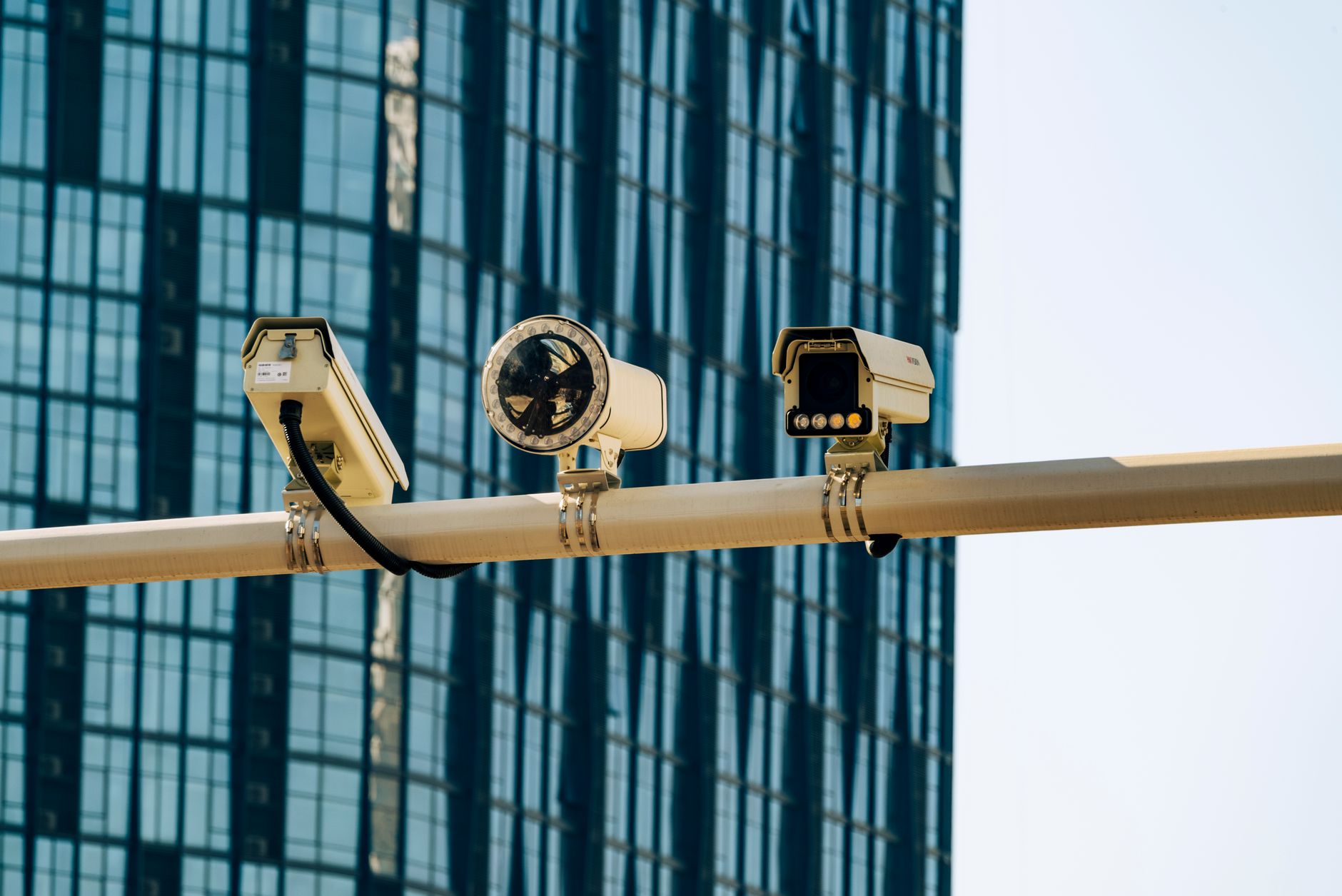
In Texas, alarm companies and the people who install alarms, wiring, and electronic access control fall under the state's Private Security Program, run by the Department of Public Safety, per Occupations Code Chapter 1702.
Questions people ask about Video Doorbells and Smart Entry
Does a video doorbell need existing doorbell wiring?
Wired models use the old bell wiring and never need charging, which is the set-and-forget choice when the wires exist. Battery models mount anywhere, including gates and doors that never had a bell, in exchange for a recharge every so often. The house usually makes the decision for you.
Why does doorbell video lag or take forever to load?
Almost always WiFi strength at the front door, which is often the far edge of the router's world. The fix is a mesh point or extender near the door, not a new doorbell. A good installer checks signal at the mounting spot before blaming the hardware.
Can the doorbell see packages left on the ground?
Only if the mounting and lens allow it, which is a real design detail: standard height with a narrow lens sees faces, not the doormat. Wide lenses, package-detection zones, and occasionally a small angle wedge solve it. Say package theft is your concern and the install should reflect it.
New to this? The plain-English guide to ordering walks through what to decide first.