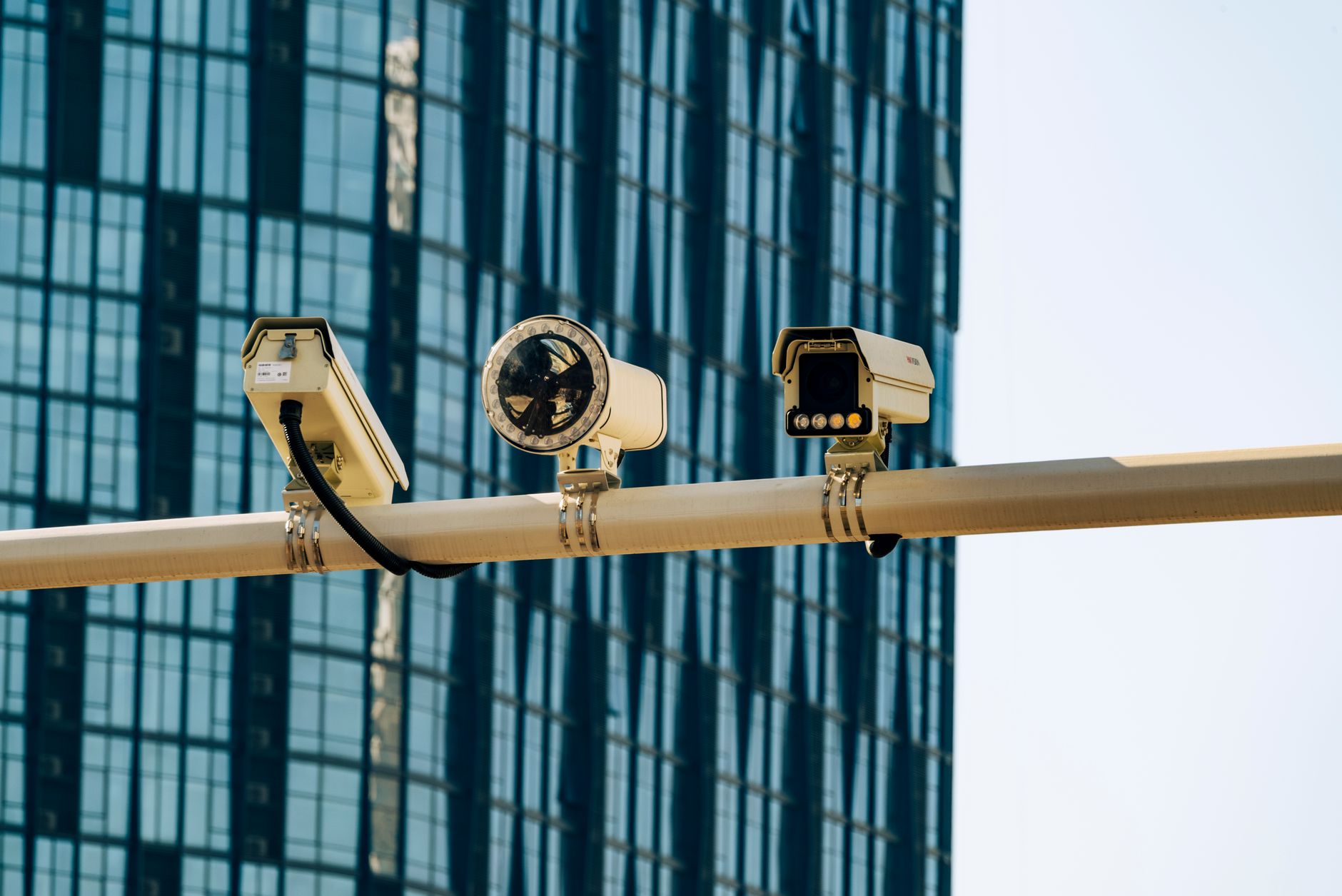
Monitored versus self-monitored
A self-monitored alarm sends the alert to your phone and it is on you to decide what to do, which is fine and free of a monthly fee, as long as you are reachable and willing to act. Professional monitoring means a service watches for the alarm around the clock and can call you, call a keyholder, and dispatch police or fire, which is what you are paying the monthly for.
Whether that is worth it depends on whether you would rather handle an alert yourself or have someone whose job it is to respond.
What monitoring really buys you
The honest value of professional monitoring is the times you cannot respond: you are asleep, on a plane, in a meeting, or it is your business at three in the morning. That is when a monitored system does the thing a self-monitored one cannot, which is get a response moving without you. If you are always reachable and comfortable handling it, self-monitoring saves the fee.
If you have a business or you travel, monitoring starts to make real sense.
Licensing is required here
In Texas, alarm companies and the people who install alarm and monitoring systems have to be licensed and registered through the state, and that is not a formality; it protects you. Before anyone starts wiring your home or business, ask to see the company license and the installer registration. A legitimate outfit shows it without hesitation, and anyone who cannot or will not is a reason to stop.
- Self-monitored means you get the alert; you handle it
- Professionally monitored means a service responds and can dispatch
- Texas requires alarm companies and installers to be licensed
In Texas, alarm companies and the people who install alarms, wiring, and electronic access control fall under the state's Private Security Program, run by the Department of Public Safety, per Occupations Code Chapter 1702.
Questions people ask about Alarm Systems and Monitoring
Do alarm systems still need a phone line?
No, that era is over. Modern systems communicate over cellular, internet, or both, and the cellular path keeps monitoring alive when the internet drops. If someone is quoting you a system that wants a landline, you are being quoted yesterday's hardware.
What actually happens when the alarm goes off at 3am?
With professional monitoring, the center sees it in seconds, calls to verify, and dispatches police or fire if there is no good answer, whether you woke up or not. Self-monitored means your phone gets the alert and the rest is on you. That difference is precisely what the monthly fee buys.
Do false alarms cost me anything around here?
They can. Cities around the bay commonly require alarm permits and fine repeat false alarms, and the fine schedule escalates. A proper install with pet-aware sensors and good verification settings keeps false trips rare, which is better than treating the fines as a subscription.
New to this? The plain-English guide to ordering walks through what to decide first.